What Is a Vascular Surgeon and What Do They Do?
Explore the field of vascular surgery and how to pursue a career as an expert practitioner.
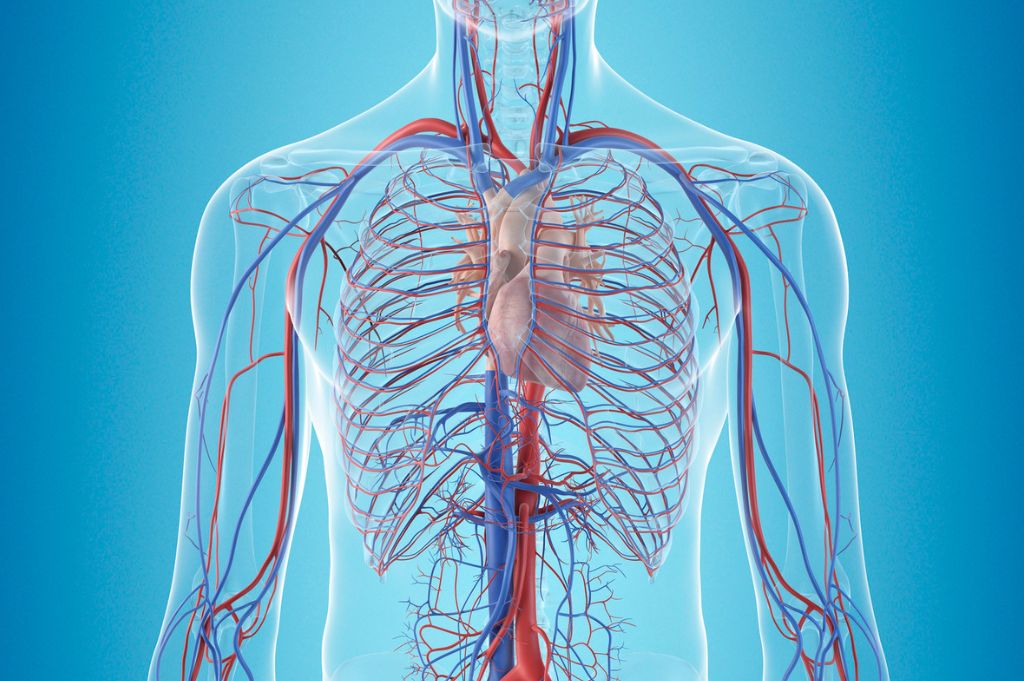
If you are exploring a future in medicine and are drawn to complex, high-stakes procedures that save lives, vascular surgery may be the path for you. A vascular surgeon specializes in diagnosing and treating diseases of the blood vessels, outside of the heart and brain.
This guide covers what a vascular surgeon is, what a vascular doctor does, how to become a vascular surgeon through a 4-year MD program, what conditions a vascular surgeon treats, and the average annual vascular surgeon salary, providing a complete picture of this impactful and rewarding specialty.
What Is a Vascular Surgeon?
A vascular surgeon is a physician who specializes in the diagnosis, management and surgical treatment of conditions affecting the vascular system, which includes arteries, veins and lymphatic vessels throughout the body. Unlike cardiologists, who focus on the heart, vascular surgeons treat blood vessel problems in the neck, abdomen, arms and legs.
Vascular surgeons are trained to perform both open surgical procedures and minimally invasive endovascular techniques, making them among the most versatile specialists in modern medicine. Many patients who are referred to a vascular surgeon have conditions that require expert intervention, such as peripheral artery disease, aortic aneurysms or chronic venous insufficiency.
To learn about other surgical specialties, visit our overview of 14 different types of surgeons and surgical specialties.
What Does a Vascular Surgeon Do?
So, what does a vascular doctor do on a day-to-day basis? Vascular surgeons take a comprehensive approach to patient care. Their responsibilities typically include:
- Conducting thorough patient evaluations, including physical exams and medical history reviews.
- Ordering and interpreting diagnostic imaging results, such as ultrasounds, CT angiographies and MRIs.
- Developing individualized treatment plans that may involve lifestyle changes, medication or surgery.
- Performing open vascular surgery, such as bypass grafting or aneurysm repair.
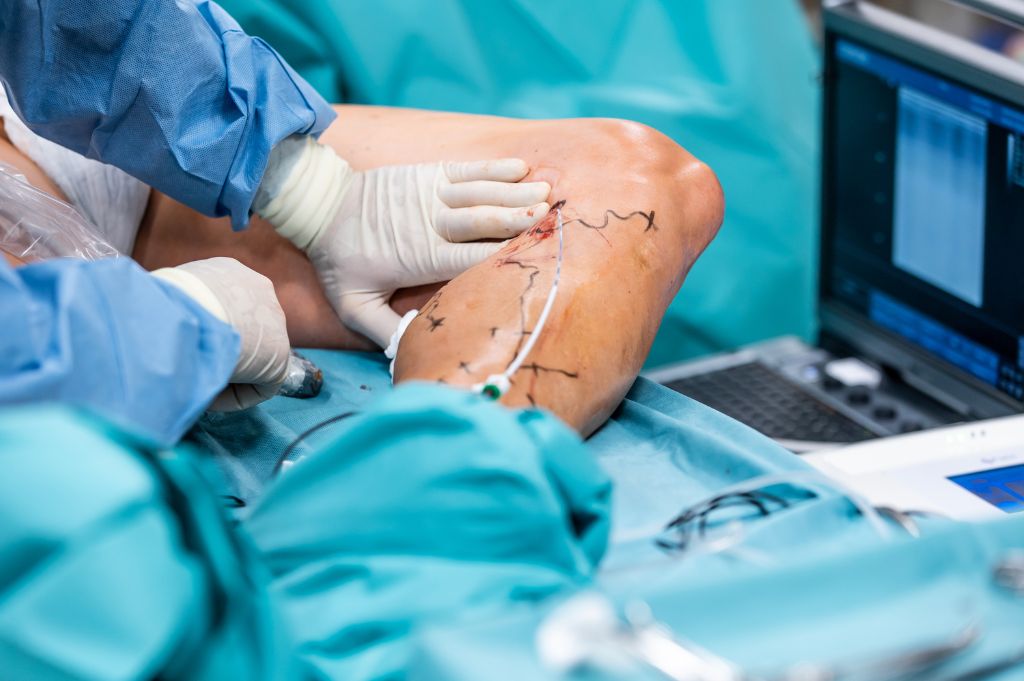
- Performing minimally invasive endovascular procedures, such as stenting and angioplasty.
- Managing post-operative care and monitoring patients for complications.
- Collaborating with cardiologists, nephrologists and other medical specialists for comprehensive patient management.
Vascular surgeons also play a critical role in emergency care, treating conditions like acute limb ischemia or ruptured aortic aneurysms that require immediate surgical intervention.
What Conditions Do Vascular Surgeons Treat?
Vascular surgeons treat a wide range of conditions affecting the arteries, veins and lymphatic system. Common conditions include:
- Peripheral artery disease (PAD): Narrowing of the arteries that reduces blood flow to the limbs.
- Aortic aneurysm: Dangerous enlargement of the aorta that can rupture if untreated.
- Carotid artery disease: Buildup of plaque in the neck arteries, increasing stroke risks.
- Deep vein thrombosis (DVT): Blood clots forming in deep veins, often in the legs.
- Varicose veins and chronic venous insufficiency: Damaged or diseased veins, causing pain and swelling.
- Renal artery stenosis: Narrowing of the arteries that supply the kidneys.
- Mesenteric artery disease: Restricted blood flow to the intestines.
- Lymphedema: Blockage of the lymphatic system causing swelling.
- Thoracic outlet syndrome: Compression of nerves and blood vessels near the collarbone.
- Arteriovenous (AV) fistula creation: Surgical access point for dialysis patients.

How to Become a Vascular Surgeon?
Becoming a vascular surgeon requires years of dedicated education and clinical training. Here is a high-level roadmap focused on how to become a vascular surgeon:
- Complete an undergraduate degree (pre-med focus recommended)
- Attend an MD program and earn your medical degree
- Complete a residency program in general surgery or an integrated vascular surgery residency
- Complete a vascular surgery fellowship (if taking the traditional pathway)
- Pass board certification exams from the American Board of Surgery or equivalent body (optional)
- Obtain independent licensure to practice and maintain continuing medical education
Saba University School of Medicine’s Doctor of Medicine (MD) program is a strong starting point for aspiring surgeons, providing a rigorous foundation in Basic Science, extensive hands-on Clinical Medicine training and strong residency placement support.
Vascular Surgeon Education Requirements
The educational journey towards vascular surgery is extensive and highly specialized. To dive a little deeper, here is what the pathway often looks like:
- Bachelor’s Degree (4 years): Most applicants complete a pre-med or science-focused undergraduate degree, taking courses in biology, chemistry, physics and mathematics.
- Medical School (4 years): Students complete two years of classroom-based basic sciences followed by two years of clinical rotations across multiple specialties.
- General Surgery Residency (5 years) or Integrated Vascular Surgery Residency (5 years): The integrated pathway allows students to enter vascular surgery training directly after medical school.
- Vascular Surgery Fellowship (2 years): Required for those following the traditional general surgery residency pathway, this fellowship provides focused training in vascular surgical techniques and patient care.
Skills Needed to Become a Vascular Surgeon
Alongside formal qualifications, knowing how to become a vascular surgeon means developing a blend of technical and interpersonal skills:
- Exceptional manual dexterity and hand-eye coordination for precise surgical procedures
- Strong critical thinking and clinical decision-making skills under pressure
- Thorough understanding of anatomy, physiology and imaging interpretation requirements
- Clear communication skills to explain complex conditions to patients and families
- Physical stamina and mental resilience when undertaking demanding surgical cases
- Collaborative approach to care and focus on effective teamwork within multidisciplinary medical teams
- Commitment to staying current with evolving endovascular technologies and techniques
These skills are cultivated throughout medical school and residency training. For a related perspective on how similar qualities apply in other surgical careers, explore our blog on what is a thoracic surgeon.
How Long Does It Take to Become a Vascular Surgeon?
Understanding how to become a vascular surgeon starts with exploring the full training timeline, which is one of the longest in medicine for future doctors:
- Undergraduate degree: 4 years
- Medical school: 4 years
- General surgery residency + vascular fellowship (traditional route): 7 years
- Integrated vascular surgery residency (direct route): 5 years
In total, aspiring vascular surgeons spend approximately 13 to 15 years learning and training before practicing independently. While this is a significant investment, the clinical impact and earning potential make it a highly rewarding career choice.
Explore the Journey Through Medical School
Learn how our Doctor of Medicine program prepares aspiring physicians for success.
Vascular Surgeon Salary and Career Outlook
Vascular surgeons are among the highest-paid surgical specialists in the United States. According to the Doximity 2025 Physician Compensation Report, they earn an average annual salary of $576,452 USD, with compensation often ranging from $350,000 USD for early-career surgeons in lower-paying areas to well over $800,000 USD for experienced surgeons in high-demand regions and practice settings.
Key factors affecting the vascular surgeon salary range include:
- Geographic region: Surgeons in high-demand or underserved areas often earn more.
- Practice setting: Academic medical centers, private practice and hospital-employed positions offer different compensation structures.
- Years of experience: Established surgeons with a strong referral base typically command higher salaries.
- Sub-specialization: Additional training in areas such as aortic surgery or limb salvage can increase earning potential.
The career outlook for vascular surgeons is strong. The aging population in the United States is driving demand for vascular care, particularly for conditions like peripheral artery disease and aortic aneurysms. The U.S. Bureau of Labor Statistics projects continued growth in physician specialties overall, and vascular surgery is positioned as a high-need field.
What is the Difference Between a Vascular Surgeon and a Cardiologist?
A common question among pre-med students is how vascular surgeons differ from cardiologists. While both specialize in the circulatory system, their focus areas are distinct:
- Vascular surgeons treat diseases of the blood vessels throughout the body, excluding the heart and brain. They perform both surgical and endovascular procedures.
- Cardiologists specialize in the heart and its electrical system. Most cardiologists are non-surgical, though interventional cardiologists perform catheter-based procedures.
In practice, the two specialists collaborate closely. For example, a patient with both coronary artery disease and peripheral artery disease may be co-managed by a cardiologist and a vascular surgeon.
For a related comparison, see our article titled “Neurologist vs. Neurosurgeon: Key Differences Explained.”
Is Vascular Surgery the Right Career Path for You?
Vascular surgery is an excellent fit for future physicians who thrive under pressure, enjoy technical procedures and want to manage complex chronic conditions over time. If you are energized by the challenge of combining medical management with surgical intervention, and you are prepared for an extensive but rewarding training pathway, vascular surgery could be the right medical specialty for you.
Consider this specialty if you:
- Have a strong interest in anatomy, physiology and surgical techniques
- Want a specialty with significant procedural variety
- Are motivated by high-stakes clinical decision-making
- Seek a career with a strong vascular surgeon salary and growing demand
- Value long-term patient relationships and chronic disease management
Start Your Journey Toward a Career in Vascular Surgery
At Saba University School of Medicine, our 4-year MD program is designed to prepare aspiring medical doctors for competitive residencies in the U.S. and Canada, including general surgery and integrated vascular surgery programs.
Thanks to our dedicated faculty, early hands-on training opportunities, expansive support services and clinical rotations in North America, students achieve their academic, personal and career practice goals.
To learn more about attending SUSOM, check out this testimonial video:
Then get started by applying today – you can also contact us to ask questions or attend a webinar where our admissions team will provide a complete overview of our educational offerings.
FAQs About Vascular Surgeons
You may be referred to a vascular surgeon if you have symptoms of peripheral artery disease, an aortic aneurysm, carotid artery blockage or circulation problems in your limbs. The conditions vascular surgeons treat go beyond these, but referrals are typically made when non-invasive treatment options are insufficient.
No, what a vascular doctor does differs significantly from what a cardiologist does. Vascular surgeons treat blood vessels throughout the body excluding the heart, while cardiologists specialize in the heart. The two often collaborate but have distinct training and patient populations.
Yes, vascular surgery is a competitive specialty. Strong USMLE scores, research experience and solid clinical performance are all important for securing a position in an integrated vascular surgery or general surgery residency program.
There are two general pathways: a traditional route of a five-year general surgery residency plus a two-year vascular surgery-focused fellowship, or an integrated five-year vascular surgery residency (where a post-residency fellowship is not required). The second route is usually more competitive.
For Prospective Students
SUSOM is committed to supporting prospective students throughout the admissions process. Please click the following links for detailed information about each topic: