
Pediatric Endocrinologists: Roles, Conditions Treated, Salary and Career Paths
Learn more about a unique and rewarding specialty opportunity for aspiring physicians.
If you are considering a 4-year MD program and a career as a practicing physician, pediatric endocrinology is a medical specialty that is well-worth exploring.
A pediatric endocrinologist is a doctor who specializes in diagnosing and treating hormonal and metabolic disorders in children and adolescents, from infancy through the teenage years. Conditions such as type 1 diabetes, growth disorders and thyroid disease can shape a child’s entire development, and these specialists are the clinicians best equipped to manage them.
In this guide, you will learn what a pediatric endocrinologist does, the conditions they treat, what to expect at an appointment, how to become one and what the pediatric endocrinologist salary can look like in today’s healthcare landscape.
What Is Pediatric Endocrinology?
Pediatric endocrinology is the branch of medicine focused on the endocrine system in children. The endocrine system is a network of glands and organs that produce, store and release hormones directly into the bloodstream, regulating critical processes including growth, puberty, metabolism, blood sugar and reproductive development.
Because children’s bodies are constantly changing, hormonal disruptions can have significantly different presentations and consequences than in adults. Pediatric endocrinology exists as a distinct subspecialty because children are not simply small adults; their physiology, developmental stages and long-term treatment needs require a highly specialized approach.
If you want to understand how this field fits into the broader landscape of medical specialties, our overview of what is an endocrinologist provides a useful starting point.
What Is a Pediatric Endocrinologist?
A pediatric endocrinologist is a physician who has completed medical school, a pediatrics residency and usually a fellowship in pediatric endocrinology. They are experts in the hormonal health of young patients, trained to identify subtle signs of endocrine dysfunction that may otherwise be mistaken for normal variation or unrelated illness.
These physicians work in hospitals, academic medical centers and outpatient clinics. Many also conduct research into hormonal conditions impacting children, contributing to advances in how these conditions are understood and treated.
Because many pediatric endocrine conditions are chronic, these specialists often develop long-term relationships with patients and their families, providing continuity of care from early childhood through the transition to adult medicine.


What Does a Pediatric Endocrinologist Do?
Understanding what a pediatric endocrinologist does on a daily basis means looking at both clinical diagnosis and long-term patient management. Their responsibilities are wide-ranging and dependent on each patient’s needs.
Diagnose Hormonal Disorders in Children
Pediatric endocrinologists evaluate patients that are referred to them with symptoms such as unusual height or weight changes, early or delayed puberty, extreme fatigue, or abnormal blood sugar levels. They order and interpret specialized laboratory tests and imaging studies, including hormone panels, bone age X-rays and stimulation tests, to identify the underlying cause of health challenges.
Monitor Growth and Development
Growth is one of the primary windows into a child’s endocrine health. Pediatric endocrinologists track height, weight and developmental milestones over time to detect deviations that may signal conditions such as growth hormone deficiency, hypothyroidism or precocious puberty, allowing for early intervention before consequences become irreversible.
Create Long-Term Treatment Plans
Many children seen by a pediatric endocrinologist require treatment that spans years. This may include hormone replacement therapies, insulin regimens, medications to regulate puberty, or dietary and lifestyle guidance. Plans are tailored to each patient’s specific condition, age and developmental stage, and are adjusted as the child grows.
Work With Pediatric Specialists and Families
Pediatric endocrinologists collaborate regularly with pediatricians, dietitians, diabetes nurse educators, psychologists and other subspecialists. Educating and supporting parents and caregivers is also central to the role, as many of the conditions they help treat require active family involvement in daily care routines.
Conditions Treated by Pediatric Endocrinologists
Pediatric endocrinologists treat a wide range of hormonal and metabolic conditions in children and adolescents. Common diagnoses in pediatric endocrinology include:
- Type 1 and Type 2 Diabetes: The most common endocrine condition seen in children, requiring careful blood glucose monitoring and insulin management.
- Growth Hormone Deficiency: Insufficient production of growth hormones, leading to short stature and delayed physical development.
- Hypothyroidism and Hyperthyroidism: Underactive or overactive thyroid glands affecting metabolism, energy, growth and mood.
- Precocious Puberty: Onset of puberty before age 8 in girls or age 9 in boys, often requiring hormonal intervention.
- Delayed Puberty: Absence of expected pubertal signs by typical ages, which may indicate an underlying hormonal issue.
- Adrenal Disorders: Including congenital adrenal hyperplasia and adrenal insufficiency, affecting hormone production and stress responses.
- Obesity and Metabolic Syndrome: Hormonal contributors to childhood obesity and insulin resistance are assessed and managed.
- Polycystic Ovary Syndrome (PCOS): Increasingly diagnosed in adolescent girls, involving hormonal imbalance affecting menstrual cycles and metabolism.
- Turner Syndrome and Other Genetic Conditions: Chromosomal conditions that affect growth and hormonal development.
- Hypoglycemia: Persistent or recurrent low blood sugar in infants and children requiring investigation and management.
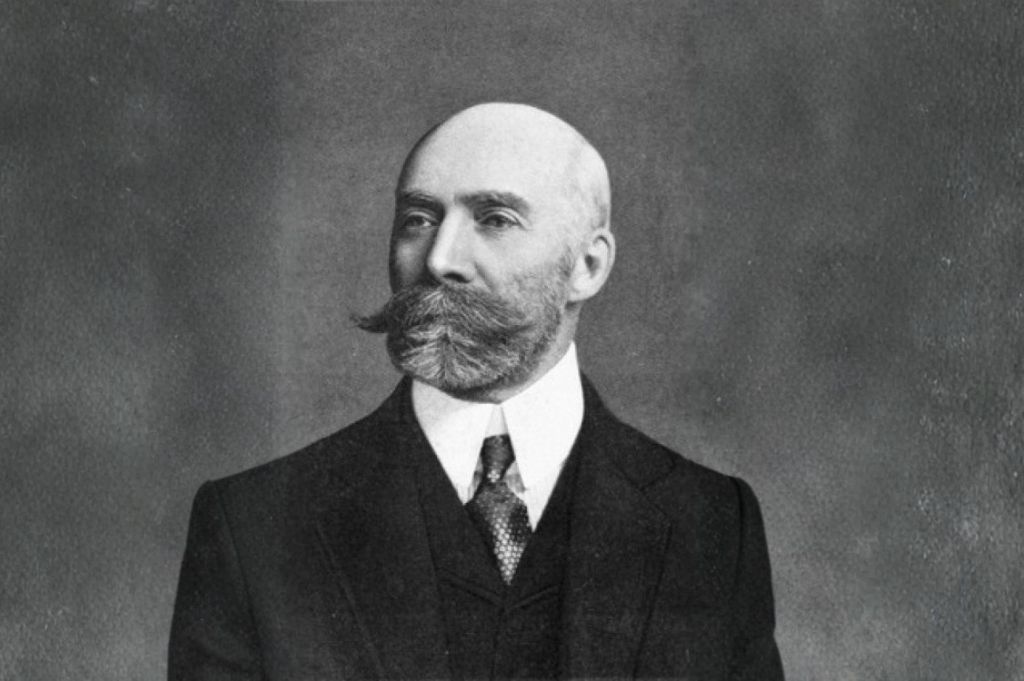
“There is no medicine like hope, no incentive so great, and no tonic so powerful as expectation of something tomorrow.”
Dr. Orison Swett Marden
What to Expect at a Pediatric Endocrinologist Appointment?
If your child has been referred to a pediatric endocrinologist, knowing what to expect at a standard appointment can help reduce anxiety for both patient and parent.
A first appointment with a pediatric endocrinologist is typically thorough and may last between one and two hours. The physician will begin by reviewing the child’s full medical and developmental history, including growth records, family history of hormonal conditions and any previous test results. A detailed physical examination follows, with attention focused on growth parameters, physical development and signs of hormonal imbalance.
The endocrinologist will then likely order blood tests, urine tests or imaging to gather further diagnostic information, with results reviewed at a follow-up appointment. It is helpful to bring a list of all medications and supplements your child takes, a record of any symptoms you have noticed, and any growth charts or test results from your pediatrician.
Ongoing appointments may be scheduled every few months or annually, depending on the condition and the child’s response to treatment.
How to Become a Pediatric Endocrinologist?
The pathway to becoming a pediatric endocrinologist is long but clearly defined. It combines broad medical training with increasingly specialized clinical experience.
- Undergraduate Degree (4 years): A pre-medical or science-focused degree, covering biology and chemistry, most often provides the academic foundation for medical school.
- Medical School (4 years): The first two years in Basic Science focus on foundational science-based learning, including studies of anatomy, physiology and pharmacology. The final two years involve Clinical Medicine rotations across core and elective specialties. At Saba University School of Medicine, MD program students undertake clinical rotations at associated teaching hospitals, clinics and medical centers in the U.S. (including ACGME-approved locations), and at select elective rotation sites in Canada.
- Pediatrics Residency (3 years): Candidates complete a residency in general pediatrics, developing broad clinical expertise in the care of children from birth through adolescence.
- Pediatric Endocrinology Fellowship (2-3 years): This subspecialty fellowship in pediatric endocrinology provides intensive training, including clinical rotations, research and supervised patient management.
- Board Certification: Physicians can then choose to complete certification examinations from the American Board of Pediatrics in both general pediatrics and the subspecialty of pediatric endocrinology.
In total, the training pathway takes approximately 13-14 years, from undergraduate study to independent practice, reflecting the depth of expertise required to manage complex, lifelong hormonal conditions in pediatric patients.
To explore how this career journey compares to other high-demand medical roles, read our article on the most in-demand physicians.
Interested in a career as a pediatric endocrinologist?
Explore how our Doctor of Medicine (MD) program can help you get there!
Pediatric Endocrinologist vs. General Endocrinologist
While both specialists focus on the endocrine system, there are meaningful differences in training, patient population and clinical approach between a pediatric endocrinologist and a general endocrinologist:
- Patients: General endocrinologists treat adults, while pediatric endocrinologists specialize exclusively in children and adolescents.
- Conditions: Many conditions overlap, such as diabetes and thyroid disease, but pediatric endocrinology also covers growth and development disorders, delayed or precocious puberty, and congenital conditions.
- Training: General endocrinologists most often complete an internal medicine residency followed by an endocrinology fellowship. Pediatric endocrinologists complete a pediatrics residency followed by a pediatric endocrinology fellowship.
- Communication: Working with children and families requires age-appropriate patient interaction and a greater emphasis on parent education.
How Much Does a Pediatric Endocrinologist Make?
According to the Doximity 2025 Physician Compensation Report, the average pediatric endocrinologist salary in the United States is $230,426 USD.
Key factors affecting earnings include:
- Experience: Early career pediatric endocrinologists typically earn at the lower end of the range, while those with over ten years of practice earn significantly more.
- Geography: Physicians in underserved areas or high-demand regions, with limited supplies of pediatric subspecialists, often command premium compensation.
- Workplace: Academic medical centers, children’s hospitals and private practices offer different compensation structures, with academic roles sometimes including research time.
- Sub-specialization: Additional expertise in areas such as diabetes technology or rare adrenal disorders can increase earning potential.
While pediatric endocrinologist is not the highest earning medical specialty, the role offers stability, long-term patient relationships and growing demand driven by rising rates of childhood obesity and type 1 diabetes diagnoses.
Is Pediatric Endocrinology Right for You?
Pediatric endocrinology is an excellent fit for medical students drawn to complex problem-solving, long-term patient relationships, and the rewards of working with children and families. If you find meaning in continuity of care and want to make a difference at every stage of a child’s development, this specialty is worth serious consideration.
Ask yourself whether you:
- Enjoy working with children and communicating clearly with both patients and parents
- Have a strong interest in hormonal systems and endocrine science
- Are comfortable managing chronic conditions that require ongoing monitoring and adjustment
- Find satisfaction in multi-disciplinary teamwork and coordinated care
- Are motivated by both clinical work and the potential to contribute to research in pediatric endocrinology
Discover Saba University School of Medicine
Becoming a pediatric endocrinologist begins with a strong medical education. At Saba University School of Medicine, our MD program is designed to give aspiring physicians the academic foundation and clinical exposure they need to pursue competitive residency programs and fellowships.
With dedicated faculty, extensive support services and clinical rotations in North America, we help students achieve USMLE and residency placement success. Our graduates have gone on to train in a wide range of specialties, and practice in the U.S., Canada and many other international locales.
If you are ready to take the next step toward a career in pediatric endocrinology, explore our MD program today and learn how we can help you achieve your goals!
We encourage you to contact us with any questions or choose an upcoming event where you can meet our helpful admissions team – then jumpstart your med school journey and submit an application.
FAQs About Pediatric Endocrinologists
The training pathway takes approximately 13-14 years: 4 years of undergraduate study, 4 years of medical school, a 3-year pediatrics residency, and 2-3 years in a pediatric endocrinologist fellowship.
Pediatric endocrinology fellowship positions are competitive; strong academic performance, clinical interest in pediatrics and research experience during residency all improve a candidate’s prospects.
No, a pediatric endocrinologist delivers treatment through medication, hormone therapy and dietary guidance, rather than through surgery; any surgical procedures on endocrine glands are performed by a separate surgical specialist.
A child should be referred to a pediatric endocrinologist if they show signs of abnormal growth, early or delayed puberty, persistent blood sugar issues, or if a pediatrician suspects an underlying hormonal condition.
For Prospective Students
SUSOM is committed to supporting prospective students throughout the admissions process. Please click the following links for detailed information about each topic: