Medical Research Opportunities for MD Program Participants
Learn more about conducting student research from a SUSOM alum.
Written by Mark Cwajna, MD.
When I began medical school at Saba University School of Medicine (SUSOM), I knew that research would eventually become a meaningful part of my education, but I did not realize how central it would be to my development. Like many incoming MD program participants, I wondered how to find research opportunities for medical students, how to build the skills needed to contribute to academic work, and how to balance these pursuits with coursework and clinical responsibilities. Over time, I learned that research emerges not from a single pathway, but from personal initiative, willingness to explore new ideas and sometimes from unexpected opportunities that find you when you least expect them.
Building a Foundation through SUSOM’s RLRA Program
One of the most unique components of SUSOM’s curriculum is the Research: Literature Review and Analysis (RLRA) program, which is introduced near the end of the Basic Science portion of the 4-year MD program. Unlike a traditional research paper, RLRA is a multi-semester experience that challenges students to refine research questions, design comprehensive database searches, critically evaluate evidence and structure manuscripts in a scholarly format. Students are assigned a dedicated faculty advisor who provides guidance along the way, while the medical librarian helps them build thorough and reproducible search strategies. This structured training helps ensure that every student gains fluency in the research process, regardless of prior experience.
Clinical Rotations: Turning Skills into Scholarly Impact
The foundational skills I developed during Basic Science and through the RLRA Program became invaluable as I transitioned into my clinical semesters. SUSOM students rotate through multiple hospitals across the United States, which exposes us to a wide variety of physicians, specialties, EMRs and patient populations. Although frequent movement can make long-term, site-based clinical research more challenging, it also introduces a diverse range of potential mentors. During my rotations at nine hospitals across five states, I made an effort to reach out to teams conducting research aligned with my interests. Many of the collaborations that resulted were remote, which required discipline and flexibility, but ultimately allowed me to contribute consistently, even while moving between rotation sites.
Over time, these collaborations developed into several systematic reviews, meta-analyses and case reports in neurology, neurosurgery, radiology and critical care. SUSOM further supported this work by allowing me to schedule a four-week Research Elective during my clinical training. Having protected time dedicated solely to academic work significantly accelerated my productivity and helped me complete multiple manuscripts already in progress. This elective demonstrated how SUSOM not only teaches research skills, but also provides the flexibility for students to apply them meaningfully.
Some of my most memorable projects came during my Sub-Internship in Diagnostic Radiology, where I co-authored two case reports based on complex oncologic and thoracic presentations. These cases strengthened my interest in radiology and highlighted how imaging allows physicians to translate clinical uncertainty into clarity. By combining radiologic interpretation with literature review and multidisciplinary input, I saw firsthand how research and clinical reasoning intersect.
Want More Information?
Contact our admissions team to learn more about medical school and pathways to practice.
Why Research Matters in Today’s Residency Match
As I progressed through medical school, I also gained a deeper understanding of how research experiences influence success outcomes in the residency Match process. In recent years, publications and presentations have become increasingly important components of competitive applications. What was once a helpful addition is now approaching a practical expectation, especially in non–primary care specialties such as diagnostic radiology, anesthesiology, neurology, dermatology and surgery.
According to 2024 NRMP data, 61.7% of U.S. IMGs and 79.8% of non-U.S. IMGs reported at least one publication, presentation or abstract, with matched applicants averaging 4.7 and 7.9 respectively, which highlights the growing importance of research experience. Program directors often view scholarly output as a marker of curiosity, discipline and the ability to complete complex, long-term projects. These are qualities that translate directly into success during residency. Although research alone cannot guarantee a competitive Match, it meaningfully strengthens an application, and for many specialties has become close to a prerequisite.
Reflecting on my journey, I recognize how profoundly research shaped my medical education. It taught me to think critically, evaluate evidence objectively and communicate findings clearly. These skills deepened my clinical understanding and strengthened my decision-making ability. Research also introduced me to mentors who continue to influence my development. Most importantly, it helped clarify my future career direction. Below are several of the publications I contributed to while I was a SUSOM student, supported in part by the research opportunities highlighted on SUSOM’s Research page:
Systematic Reviews & Meta-Analyses:
- Reporting Compliance and Factors Influencing Timeliness of Stroke-Related Trial Results on ClinicalTrials.gov –https://pubmed.ncbi.nlm.nih.gov/38831158/
- Impact of Frailty on Post-Operative Outcomes Following Subarachnoid Hemorrhage: A Systematic Review and Meta-Analysis –https://pubmed.ncbi.nlm.nih.gov/38954868/
- pRESET Thrombectomy Device Outcomes in Patients with Acute Ischemic Stroke: A Systematic Review and Meta-Analysis –https://pubmed.ncbi.nlm.nih.gov/39327944/
- Factors Associated with ICU Stays after Endovascular Treatments for Unruptured Intracranial Aneurysms: A Review Study –https://pubmed.ncbi.nlm.nih.gov/39879723/
Case Reports (Diagnostic Radiology Sub-Internship):
- Radiologic Findings of a Mediastinal Mass with Pleural Fluid Cytologic Analysis: A Case Report of Recurrent Mantle-Cell Lymphoma – https://scholar.rochesterregional.org/advances/vol5/iss3/10/
- Radiologic Evaluation and Management of Metastatic Renal Cell Carcinoma with Tumor Thrombus Extension into Right Atrium – https://scholar.rochesterregional.org/advances/vol5/iss3/1/
Conclusion
Looking back, my research journey at Saba University School of Medicine was shaped by both structure and opportunity. The RLRA curriculum gave me essential skills, faculty and librarian support provided direction, and SUSOM’s flexible clinical program allowed me to engage in scholarly work across multiple medical centers. These experiences not only strengthened my residency application but helped define my career trajectory. Research became more than an academic requirement – it became one of the most rewarding and formative aspects of my education.
To learn more about the SUSOM learning experience, watch this graduate testimonial video:
Then feel free to contact SUSOM with any questions or start your own journey to medical career success by learning how to apply.
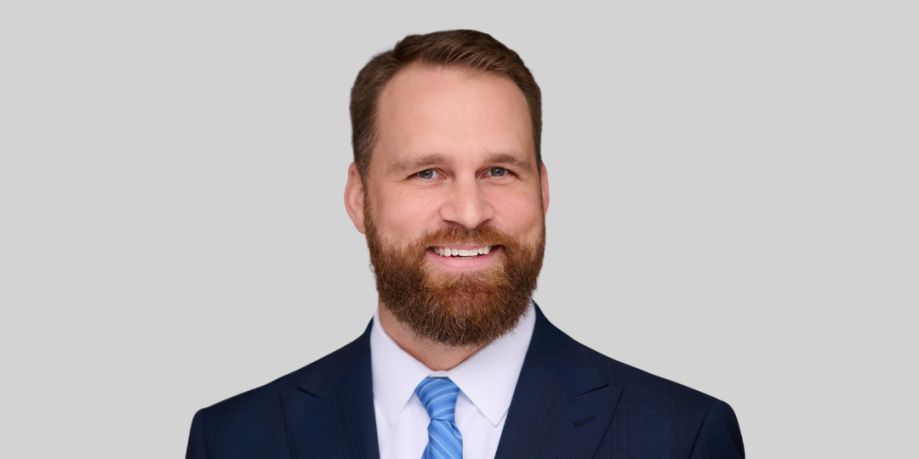
Mark Cwajna, MD, is a recent graduate of Saba University School of Medicine who matched into Preliminary Internal Medicine and Diagnostic Radiology at SUNY Upstate Medical University in Syracuse, NY. During his time at SUSOM, he published multiple systematic reviews, meta-analyses and case reports across neurology, neurosurgery, critical care and radiology disciplines. His academic interests include neuroradiology and the integration of AI into radiology.
FAQs About Medical Student Research
Yes, it is certainly possible to be accepted into medical school without research experience, as long as you meet the listed admissions requirements. Any research experience you can accumulate prior to medical school does enhance your application though, and further prepares you to achieve academic success.
SUSOM MD program applicants are encouraged to have 50 hours or more of direct patient care experience. This experience can come from volunteering in a hospital setting, shadowing physicians, working as an EMT, etc.
The number of research hours that aspiring medical students should aim to accumulate will depend on the specific requirements of the program they wish to enter. At Saba University School of Medicine, there is no minimum number of research hours for MD program applicants.
At SUSOM, a unique and integral part of the MD program curriculum is our Research: Literature Review and Analysis (RLRA) module. Its purpose is to further develop students’ abilities to evaluate and assimilate scientific evidence and to reinforce the skills required to critically appraise the ever-changing body of medical knowledge. During this 8-week research module, students are expected to apply the knowledge and understanding from their Basic Science courses to analyze a current and complex medical care question, using evidence from published medical literature.
For Prospective Students
SUSOM is committed to supporting prospective students throughout the admissions process. Please click the following links for detailed information about each topic: