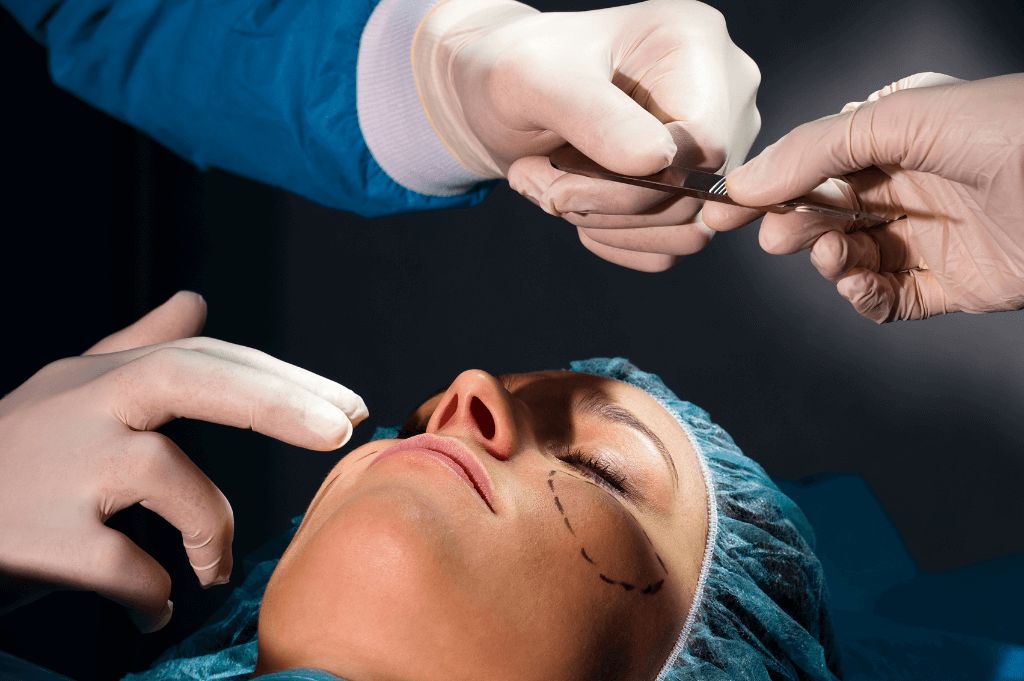
Discover What Is Plastic Surgery and How to Become a Plastic Surgeon
Explore the educational pathway, salary projections and career outlook for future plastic surgeons.
With insights from Dr. Maurice Clifton.
If you’ve ever wondered how to become a plastic surgeon, you’re considering one of medicine’s most dynamic specialties. This field combines surgical precision, artistic vision and life-changing patient care in unique ways.
You’re likely familiar with the idea of plastic surgeons as cosmetic procedure specialists, but what plastic surgeons do extends well beyond cosmetic enhancement. They restore function after traumatic injuries, repair congenital abnormalities, and help patients achieve aesthetic goals that boost confidence and quality of life.
The journey to becoming a board-certified plastic surgeon typically requires 14 years of education and training after high school. The average plastic surgeon salary reflects this extensive training, with standard earnings ranging from $400,000 to over $575,000 USD annually in the United States.
In this blog, we’ll walk you through everything you need to know about this competitive field, from pursuing an MD program through residency placements and beyond.
Understanding the Specialty: What Is Plastic Surgery?
Plastic surgery is a comprehensive surgical specialty focused on restoring, reconstructing or enhancing the human body. The term “plastic” comes from the Greek word “plastikos,” meaning to mold or shape.
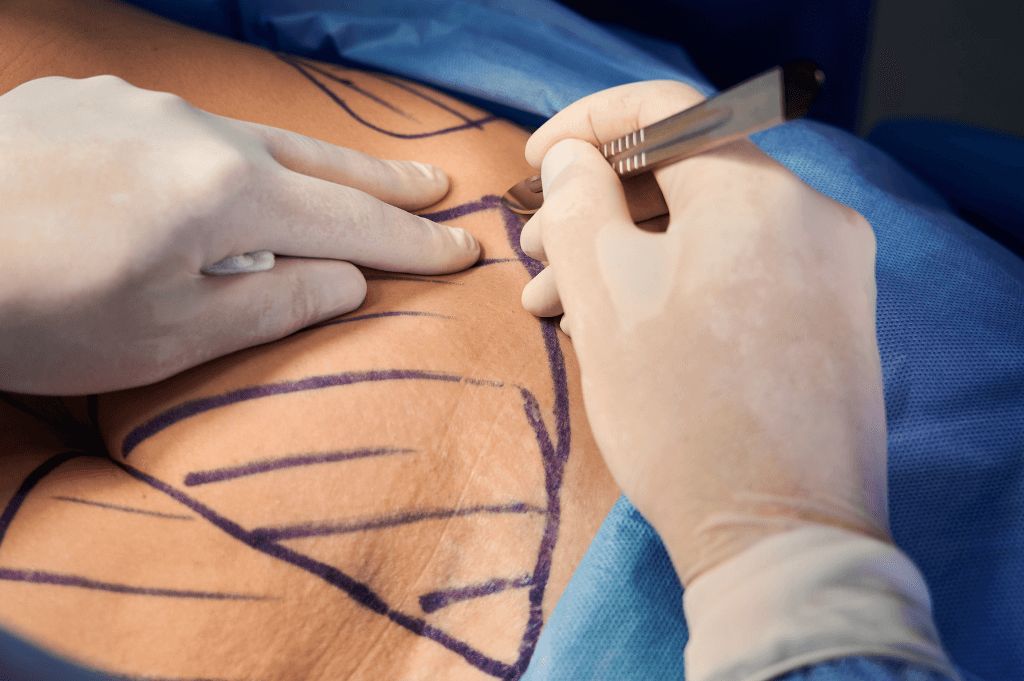
This field encompasses two main branches. Reconstructive plastic surgery addresses functional and structural abnormalities caused by congenital defects, trauma, infection, tumors or disease. Aesthetic or cosmetic surgery focuses on enhancing appearance through elective procedures like rhinoplasty (nose plastic surgery), facelifts and body contouring.
Most plastic surgeons train in both areas, and a plastic surgeon is a type of surgeon who often practices a blend of both. This versatility allows practitioners to work on virtually all parts of the body, from the head down to the toes.
What Do Plastic Surgeons Do?
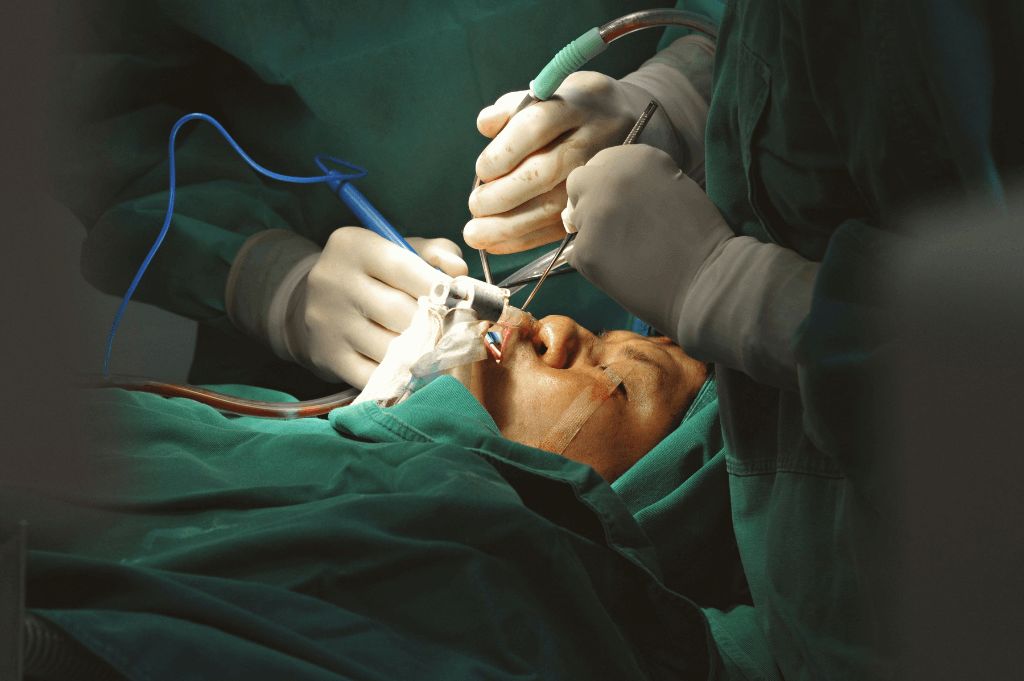
The daily work of plastic surgeons is remarkably diverse. On any given day, they might perform breast reconstruction for a cancer patient, repair a child’s cleft lip and complete hand surgery to restore function after an injury. The most common surgeries they deliver include all types of cosmetic procedures, skin cancer removal, breast reconstruction, breast reduction and hand operations.
Beyond the operating room, plastic surgeons spend time in patient consultations, taking medical histories, discussing treatment options and developing individualized surgical plans. They order and interpret diagnostic tests including X-rays, CT scans and MRIs.
Plastic surgeons frequently collaborate with general surgeons, neurosurgeons, orthopedic surgeons and otolaryngologists (ENT doctors) to provide comprehensive care for complex cases. Post-operative care is another crucial component, monitoring healing and coordinating with rehabilitation specialists when needed.
How to Become a Plastic Surgeon: Step-by-Step Pathway
The road to becoming a plastic surgeon demands dedication, academic excellence and years of intensive training. Here’s what that journey looks like from start to finish.
Earn a Bachelor’s Degree
Your journey typically begins with four years of undergraduate education. While there’s no required major, most aspiring plastic surgeons choose biology, chemistry, physics or pre-medicine programs to fulfill medical school prerequisites. No matter what major you choose, your coursework should include general biology, general and organic chemistry, and English.
Medical schools also value hands-on clinical experience gained through volunteering, shadowing physicians, research and leadership activities.
Take the MCAT Exam
For U.S. students, the Medical College Admission Test (MCAT) is your gateway to medical school. This comprehensive, 7.5-hour exam tests knowledge of biological and biochemical foundations, chemical and physical foundations, psychological concepts, and critical analysis and reasoning skills. Most students take the MCAT during junior year, with preparation requiring 300-350 hours over three to six months.
At Saba University School of Medicine (SUSOM), U.S. applicants must submit their MCAT scores. All other applicants are encouraged to do so as well, but it is not required.
Attend Medical School
Medical school is where your medical education truly begins. This four-year journey includes two years of classroom-based learning in Basic Sciences, followed by two years of Clinical Medicine rotations. At SUSOM, rotations occur in the U.S. (core and electives) and Canada (select electives).
The first two years include studies in anatomy, physiology, biochemistry, pharmacology, microbiology and pathology. The second two years bring you into hospitals and clinics for hands-on rotations in various specialties. For students interested in plastic surgery, excelling in your surgical rotations is crucial.
You’ll also need to pass the United States Medical Licensing Examination (USMLE) Step 1 and obtain a Step 2 CK score among the highest in the nation during medical school. These scores play a significant role in residency applications, particularly for competitive specialties.
If you’re wondering how to get into medical school and succeed there, maintaining strong academic performance and actively engaging with surgical opportunities is essential.
Choose the Right Residency Pathway
Plastic surgery offers several training pathways. The most direct route is the integrated plastic surgery residency, which are typically six-year programs that combine general surgery training (three years) with dedicated plastic surgery training (three years) in one continuous program.
An alternative involves completing a five-year general surgery residency first, then applying to a three-year independent plastic surgery residency.
There’s also a third option for physicians who’ve completed residencies in related surgical specialties like orthopedic surgery, neurosurgery or otolaryngology to apply to three-year independent programs, though these positions are limited and highly competitive.
The Application and Match Process for Plastic Surgery Residency
Plastic surgery residency is one of the most competitive specialties in the National Resident Matching Program (U.S. residency placement program). In the 2025 Match, all 221 available positions were filled.
Your application needs exceptional USMLE scores, excellent academic results (particularly during surgery rotations), meaningful research experience and compelling letters of recommendation. Programs also seek candidates who demonstrate genuine passion for the field, strong interpersonal skills, artistic sensibility and manual dexterity.
While most of the residency application process happens in your fourth year of medical school, Matching in a competitive specialty requires hard work throughout all four years. At SUSOM, we offer a four-year Road to Residency program that provides students with the academic experiences and guidance needed to Match in a competitive specialty.
Residency Training: What the Program Involves
Plastic surgery residency is where you transform from a medical school graduate into a skilled surgeon. You’ll gain comprehensive training across the full spectrum of plastic and reconstructive surgery.
Training covers head and facial surgery, breast surgery (reconstruction and aesthetic procedures), hand and upper extremity surgery, body contouring, microsurgery techniques, burn surgery, skin cancer treatment and the full range of cosmetic procedures. You’ll gradually take on more responsibility, starting with assisting and progressing to performing procedures independently under supervision.
Expect long hours in the operating room, overnight call responsibilities, clinic days and dedicated time for research and case presentations. Many programs require research productivity during residency.
Board Certification, Salary and Career Beginnings
After completing residency, you’re eligible to practice, but most physicians pursue board certification through the American Board of Plastic Surgery (ABPS) in the U.S. You must pass both written and oral examinations that assess your knowledge, clinical judgment and surgical skills. While technically optional, board certification is effectively required by most hospitals and practices for plastic surgeons.
Career options include private practice, academic medical centers, multi-specialty groups or hospital settings. The average plastic surgeon salary is among the highest in medicine. In 2025, plastic surgeons earned an average of $463,717 USD annually in the United States. Salaries vary based on geography, practice setting, experience and the mix of cosmetic versus reconstructive procedures.
Many plastic surgeons pursue fellowship training in subspecialties such as aesthetic surgery, hand surgery, craniofacial surgery or microsurgery. These one to two-year fellowships provide advanced training and can help differentiate you in competitive markets.
Want to Learn More?
Contact our admissions team to learn more about med school and residency outcomes at SUSOM.
Skills and Qualities Needed to Become a Successful Plastic Surgeon
Beyond formal education, successful plastic surgeons share certain qualities that enable them to excel. Manual dexterity and fine motor control are fundamental. Plastic surgery requires exceptional hand-eye coordination and precision, whether suturing tiny blood vessels or sculpting facial features. Artistic sensibility and spatial awareness help surgeons envision how changes will affect overall appearance and proportion.
Strong communication abilities are essential for patient interactions and team collaboration. Physical and mental stamina enables you to perform lengthy procedures while maintaining focus. Empathy and emotional intelligence allow you to connect with patients during vulnerable moments. Problem-solving skills and adaptability help you navigate unexpected surgical challenges. Finally, dedication to lifelong learning keeps you at the forefront of evolving techniques and technologies.
Tips for Aspiring Medical Students Interested in Plastic Surgery
If you’re drawn to plastic surgery, starting early and positioning yourself strategically can strengthen your eventual residency application.
Seek early exposure through shadowing, volunteering or research positions. Strive to excel academically throughout your education – maintain a strong GPA, achieve high MCAT scores and earn top marks in medical school, especially during surgery rotations. Get involved in research, particularly projects related to plastic surgery.
Develop your surgical skills and hand dexterity through activities like playing musical instruments or other hobbies that challenge fine motor control. Build strong relationships with plastic surgery faculty who can serve as mentors and write recommendation letters.
Take care of your physical and mental health throughout this journey. The path is long and demanding, so developing healthy habits and a support system will help sustain your efforts over 14+ years of training.
Conclusion
Becoming a plastic surgeon represents one of medicine’s most challenging yet rewarding career paths. This specialty offers the unique opportunity to make profound differences in patients’ lives, combining surgical precision with artistic vision to restore function, enhance appearance and rebuild confidence.
If you’re ready to begin the medical school portion of this journey, explore Saba University School of Medicine’s MD program to learn how we prepare students for success in competitive specialties like plastic surgery through rigorous academics, early hands-on training and dedicated faculty support.
You can also learn more about our community, Basic Sciences campus and residency support services in this graduate testimonial:
Then jump right in and contact us for support or start your application today!
Learn more about blog contributor Maurice Clifton, MD, MSEd, MBA.
FAQs About Plastic Surgeons
Plastic surgeons are among the highest-paid medical specialists in the United States, earning an average of $463,717 USD (November 2025). Compensation varies significantly based on geographic location, practice setting, years of experience and the balance between cosmetic and reconstructive procedures. Early-career plastic surgeons might earn between $300,000 and $400,000 USD annually, while established surgeons in private practice can earn well over $500,000 USD per year.
Becoming a plastic surgeon requires a minimum of 14 years of education and training after high school: four years for a bachelor’s degree, four years of medical school and six years of residency training in an integrated plastic surgery program. If you choose the alternative pathway of completing a general surgery residency (five years) before entering a plastic surgery residency (three years), the total time extends to 16 years. Some surgeons also pursue additional fellowship training in subspecialties, which adds one to two more years.
A plastic surgeon is a physician who has completed an ACGME-accredited plastic surgery residency and is typically board certified by the American Board of Plastic Surgery (in the U.S.), with extensive training in both reconstructive and aesthetic procedures. The term “cosmetic surgeon” on the other hand is not a protected designation – any licensed physician can technically perform cosmetic procedures regardless of their training background. When seeking aesthetic procedures, patients should look for a board-certified plastic surgeon who is certified by the American Board of Plastic Surgery, to help ensure they have received comprehensive training and can deliver optimal outcomes.
The most commonly performed procedures plastic surgeons encounter include all types of cosmetic procedures, skin cancer treatment and reconstruction, breast reconstruction (typically following mastectomy), breast reduction and hand surgery. Looking specifically at elective cosmetic procedures, the most popular include breast augmentation, liposuction, nose reshaping (rhinoplasty), eyelid surgery and facelifts. The mix of procedures any individual plastic surgeon performs depends on their practice setting, subspecialty interests and geographic location.
For Prospective Students
SUSOM is committed to supporting prospective students throughout the admissions process. Please click the following links for detailed information about each topic: