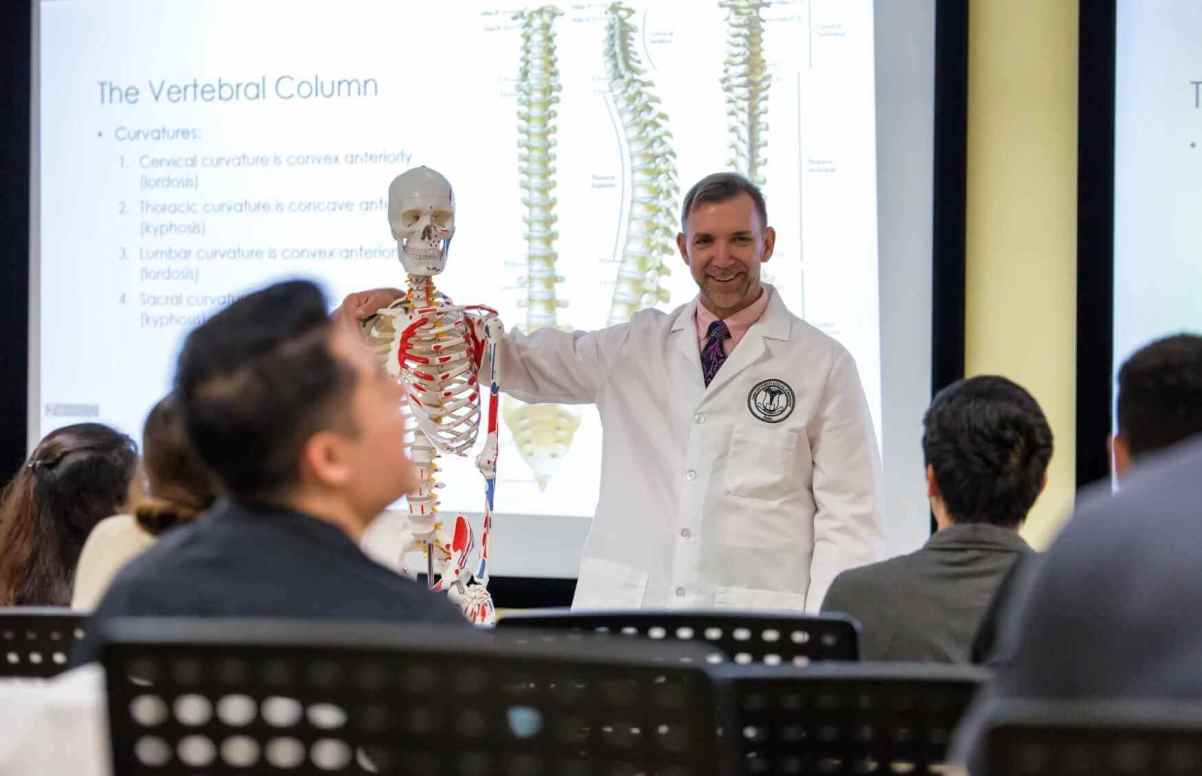
How Long Does It Take to Study Medicine in the Caribbean?
Explore the educational pathway for aspiring medical students who are considering Caribbean schools.
One of the first questions every aspiring physician asks is how long the medical school journey actually takes. Choosing where and how to pursue your MD program education is one of the most significant decisions of your life, and getting the timeline right matters from the very start.
For students considering whether to study medicine in the Caribbean, understanding the full picture, from your first semester on campus to the moment you walk across the commencement stage, is essential. Caribbean medicine programs can provide the same four-year structure as U.S. programs, while also delivering distinct advantages, such as flexible admissions, multiple yearly start dates, and individualized support that helps students achieve academic and personal success.
This blog post breaks down how long MD programs in the Caribbean take, what factors can shape your timeline and what to expect at every stage of the process.
Quick Answer: Timeline to Study Medicine in the Caribbean
Different Caribbean medical schools offer different medical education pathways and varying timelines, but at Saba University School of Medicine (SUSOM), the journey looks like this:
- Pre-medical education (undergraduate): Typically 4 years
- MD program: 4 years (2 years Basic Science + 2 years Clinical Medicine)
- Residency: 3 to 7+ years, depending on the chosen specialty
- Fellowship (optional): 1 to 3 additional years
In total, the path from starting college/university to practicing independently as a licensed physician spans roughly 11 to 15 years. That may sound like a long road, but each stage builds on the last, and the rewards at the end are significant.

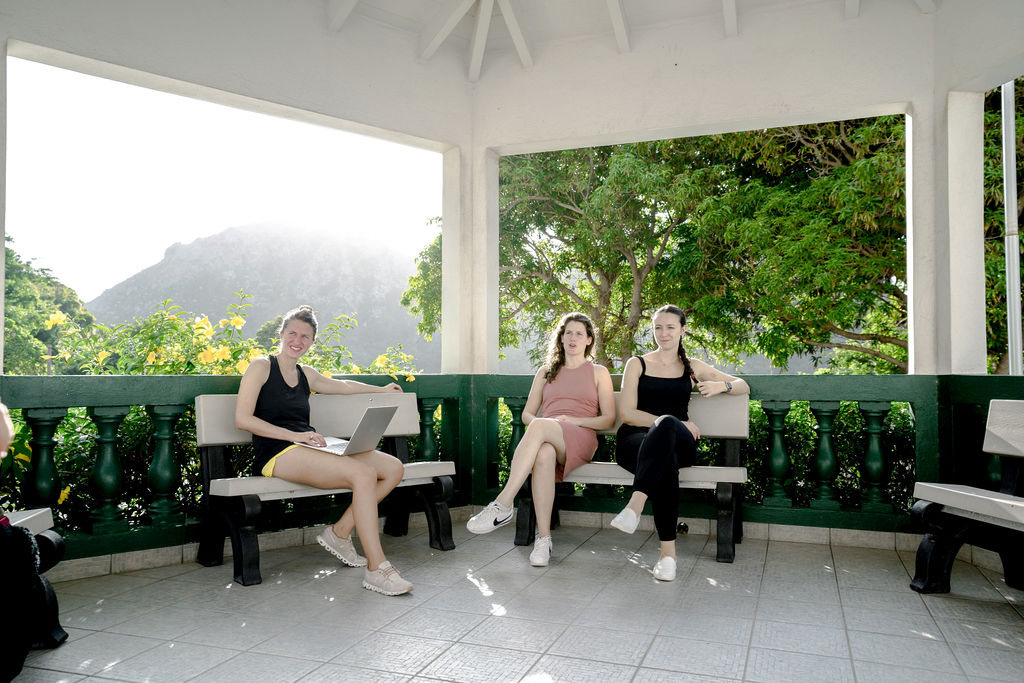

MD Program Length in the Caribbean
How long is medical school in the Caribbean? In the SUSOM MD program, the journey spans approximately four years.
Basic Science (5 Semesters)
The first two years of the MD program, called Basic Science, take place on our Caribbean campus on the island of Saba. This portion of the MD program features classroom and lab-based learning, as students develop the knowledge and skills they will need to effectively treat real patients during the latter portions of their educational journeys.
During these two foundational years, students explore many key medical subjects, including:
- Gross Anatomy
- Physiology and Biochemistry
- Pathology and Pharmacology
- Microbiology and Immunology
- Neuroscience
- Medical Ethics
At the end of Basic Science, eligible students sit for the USMLE Step 1 exam, a critical milestone on the path to medical school and eventual career success. A positive outcome on this exam also significantly strengthens a student’s residency application.
Clinical Medicine (Five Semesters)
Of key importance for aspiring physicians who plan to practice in North America, successful SUSOM MD program participants undertake clinical rotations in the U.S. (core and electives) and Canada (select electives). Over these two years, students spend time focusing on different specialties, working with real patients and learning directly from expert practitioners.
They first complete the following core rotations (42 weeks), and then transition into elective rotations (30 weeks), where they choose specialties that relate to the specific field of medicine in which they plan to practice.
- Internal Medicine (12 weeks)
- Surgery (12 weeks)
- Pediatrics (6 weeks)
- Obstetrics and Gynecology (6 weeks)
- Psychiatry (6 weeks)
Near the end of Clinical Medicine, eligible SUSOM students sit for the USMLE Step 2 CK, which they must complete successfully in order to graduate and earn a residency placement. Importantly, USMLE preparation is an integral part of the SUSOM MD program curriculum, and exam support is available from both Student Services and our dedicated faculty team.
“The practice of medicine is an art, not a trade; a calling, not a business; a calling in which your heart will be exercised equally with your head.”
Sir William Osler, Canadian Physician (created the first residency program for physicians)

How Long Does It Take After High School?
For aspiring physicians who are curious about the journey from high school to medical school, there are different options depending on the level of education you have already completed – let’s explore them here.
Students Without a Bachelor’s Degree
Most Caribbean medical schools, including Saba University School of Medicine, require applicants to hold a bachelor’s degree or have successfully completed the core pre-medical science prerequisites before enrolling. Students still completing their secondary education should factor in four years of college/university before beginning their MD program.
The total timeline through medical school for students just starting their undergraduate journey is approximately eight years, four each in college/university and medical school.
Students With a Bachelor’s Degree
For students who already hold a bachelor’s degree and have completed the required science prerequisites, the route is more direct. Enrollment in a 4-year MD program can follow soon after, meaning the focus shifts entirely to the four-year medical curriculum.
However, if you have earned your bachelor’s degree but have not completed all the required science coursework, some additional training will likely be necessary. In order to enter the SUSOM MD program, such students should consider the Pre-Medical Master’s Program, an accelerated medical education program for career changers with an undergraduate-level degree and some foundational science coursework.
After successfully completing this 2-semester, 8-month program offered by Medical University of the Americas (our fellow GUS Medical & Veterinary Schools institution), students will be eligible for admission to the Saba University School of Medicine MD program.
What Factors Can Impact Caribbean Medical School Timelines?
How long does med school take in practice? While four years is the standard, individual timelines can vary depending on several factors.
Admission Requirements
Caribbean medical school requirements typically include a bachelor’s degree, prerequisite science courses, letters of recommendation, a personal statement and official transcripts. Students who need additional preparation time before applying will naturally start the program later.
Program Start Dates
One practical advantage of MD programs in the Caribbean is that many institutions, including SUSOM, offer multiple intake dates across the year. Students do not have to wait for a single annual admission cycle, which can reduce delays considerably.
At SUSOM, students can choose to start in January, May or September.
Academic Progress
Medical school is demanding, and some students may need to repeat elements of coursework or allow extra time for board exam preparation. Importantly, Saba University School of Medicine provides academic support structures to help students stay on track throughout their studies.
Caribbean Medical School vs. U.S. Medical School Timeline
| STAGE | SUSOM MD PROGRAM | U.S. MD PROGRAMS |
|---|---|---|
| Undergraduate | 4 years | 4 years |
| Medical school | 4 years | 4 years |
| Residency | 3 to 7+ years | 3 to 7+ years |
| Total (approx.) | 11 to 15+ years | 11 to 15+ years |
| Admissions intake | Multiple per year | Typically once per year |
| Basic Science location | Island of Saba | U.S. campus |
| Clinical rotations location | U.S./Canadian hospitals | U.S./Canadian hospitals |
What Happens After Graduating from a Caribbean Medical School?
Residency Training
After completing an accredited MD program, graduates who plan to practice in the U.S. and Canada must complete a residency program. The length depends entirely on the specialty chosen, for example:
- Family medicine: 3 years
- Internal medicine: 3 years
- Pediatrics: 3 years
- General surgery: 5 years
- Neurosurgery: 7+ years
Residency is the bridge between medical training and independent practice. SUSOM MD program participants are eligible to apply for U.S. and Canadian residencies through the standard processes: the National Resident Matching Program (NRMP) for U.S. programs and the Canadian Resident Matching Service (CaRMS) for Canadian programs.
Licensing Exams
Before completing residency, MD program graduates who plan to practice in the U.S. must pass the USMLE Step 3, which assesses whether you can effectively undertake the unsupervised practice of medicine. After this, students are eligible to practice independently in the U.S., provided they have successfully completed their residency program and any other related requirements in the state where they plan to work.
Physicians who hope to work in Canada must successfully complete all Canadian licensing requirements, including the Medical Council of Canada Qualifying Examination (MCCQE). Importantly, SUSOM’s comprehensive preparation for the USMLE also effectively prepares Canadians for the MCCQE.
Start Your Journey to Career Success
Explore the opportunities available in our 4-year Doctor of Medicine Program.
Is the Caribbean Route Right for You?
Caribbean medicine programs are well-suited for students who:
- Are seeking a structured, accredited path toward U.S. or Canadian residency.
- Want to begin medical school without waiting months for a single annual intake.
- Thrive in smaller, community-focused academic environments.
- Are committed, motivated and ready to meet the same academic demands as any other expansive medical program.
It is important to state clearly: studying medicine in the Caribbean is not an easier alternative. The curriculum is rigorous, the licensing exams are identical and the expectations are high. What the Caribbean route offers is accessibility and structure, not a shortcut.
For students with the drive and focus to see it through, it is a genuinely rewarding path.
“In examining disease, we gain wisdom about anatomy and physiology and biology. In examining the person with disease, we gain wisdom about life.”
Oliver Sacks, Neurologist, Naturalist and Historian of Science

Why Do Students Choose Saba University School of Medicine?
Saba University School of Medicine has been preparing physicians since 1992, building a strong reputation for academic success, student-centered support, and outcomes focused on U.S. and Canadian healthcare systems.
Students choose SUSOM for many reasons, including:
- Established reputation: A proven track record of preparing graduates for USMLE success and residency placements.
- U.S. and Canada-focused outcomes: Clinical rotation opportunities in U.S. and Canadian hospitals, keeping students directly connected to their target residency programs.
- Strong academic standards: A curriculum focused on both USMLE preparation and real-world clinical readiness.
- Individualized support: Our dedicated and attentive faculty are invested in each student’s progress, and student services are available to help with academic and personal challenges.
- Accreditation: SUSOM is accredited by the Accreditation Organization of the Netherlands and Flanders (NVAO), which is recognized by the World Federation for Medical Education (WFME).
Conclusion
The journey to becoming a physician is long, but it is also deeply purposeful. For students considering whether to study medicine in the Caribbean, understanding the full timeline is the first and most important step toward making a confident, informed decision.
At SUSOM, the four-year MD program, split evenly between Basic Science (on campus in the Caribbean) and Clinical Medicine (including rotations in North America), mirrors the structure of U.S. programs in length and rigor. Add undergraduate studies and residency training, and the full path to medical practice typically spans 11 to 15 years after high school.
What sets Caribbean medicine programs apart is not the duration, but the accessibility of the route and the quality of support along the way. At Saba University School of Medicine, every student is guided through each stage of the MD program journey, and provided with the academic foundation and personal guidance needed to succeed.
To discover more about our learning environment and campus community, check out this graduate testimonial video:
Then learn how to apply, explore future admissions events or reach out with any questions you may have!
FAQs About Studying Medicine in the Caribbean
No, an accredited MD program in the Caribbean typically lasts four years, similar to U.S. programs. At SUSOM, the 4-year MD program is split between Basic Science and Clinical Medicine. When undergraduate education and residency are factored in, total timelines are broadly comparable at 11 to 15 years.
Students typically sit for the USMLE Step 1 after completing Basic Science and for Step 2 CK after Clinical Medicine. Step 3 is generally completed during residency. Structured support is available at SUSOM throughout the preparation processes in advance of Steps 1 and 2.
Pre-medical undergraduate education typically takes four years. Students who have earned a bachelor’s degree, but not completed all the required science prerequisites, may need to complete additional training before starting medical school (such as the Pre-Med Master’s Program).
Residency length depends on the specialty you choose. Family medicine and internal medicine typically require three years, while surgical specialties may take five or more. Graduates of accredited Caribbean medical schools apply through the same residency placement processes as U.S. and Canadian med school graduates.
For Prospective Students
SUSOM is committed to supporting prospective students throughout the admissions process. Please click the following links for detailed information about each topic: